University of Southern Maine BIO 105
Professor Champlin · University of Southern Maine · 39 lectures with notes
Students in this class: ask your lecturer for the class code, and these lectures will already be in your library when you sign up.
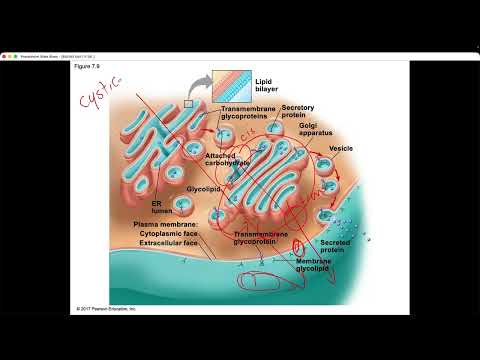
BIO105 Introductory Biology, Wed., Oct., 7th, David Champlin, USM
Follow a protein from ribosome to destination, then see how cytoskeletal fibers power transport, movement, and cell division.
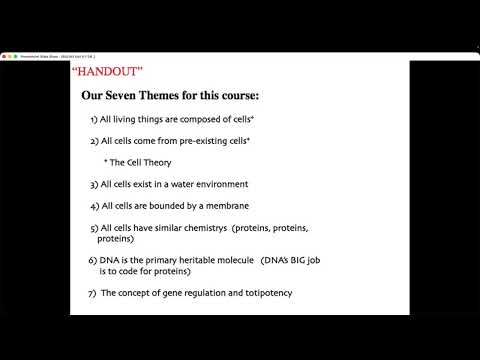
BIO105 Introductory Biology, Mond., Oct., 5th, David Champlin, USM
Membrane transport ranges from diffusion through aquaporins to ATP-powered pumps and vesicle traffic that supports cholesterol uptake, water balance, and neural communication.
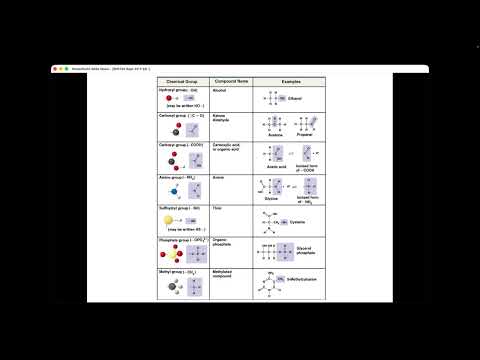
BIO105 Introductory Biology, Wed., Sept., 30th, David Champlin, USM
Four protein examples connect structure and function to how cells make and route proteins.
BIO105 Introductory Biology, Wed., Sept., 28th, David Champlin, USM
Aquaporin illustrates how amino-acid sequence and side-chain chemistry determine protein structure and function.
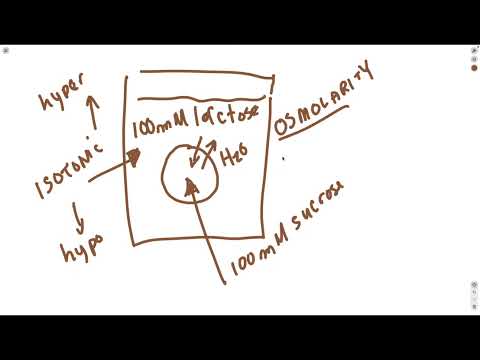
BIO105 Introductory Biology, Wed., Sept., 23rd, David Champlin, USM
David Champlin links osmotic gradients, molecular structure, and pH chemistry to prepare students for later biology chapters.
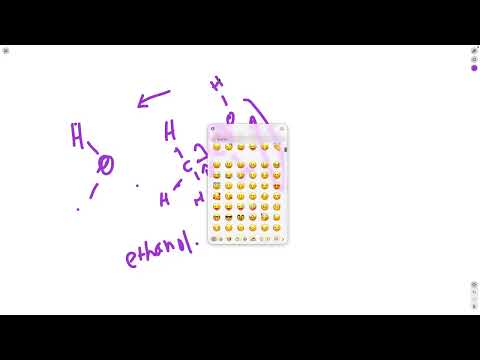
BIO105 Introductory Biology, Mond., Sept., 21st, David Champlin, USM
Water’s polarity and noncovalent interactions explain pH, protein behavior, membrane fluidity, and glycogen storage.
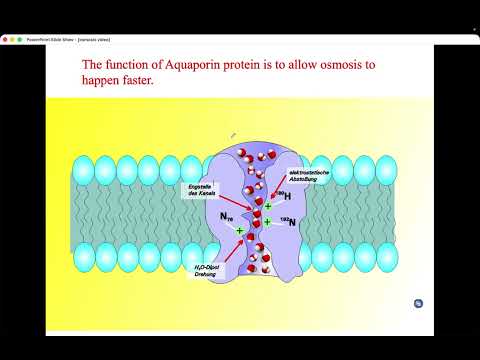
BIO105 Introductory Biology, Osmosis, David Champlin, USM
Solute particle concentration determines water movement across membranes, while aquaporins speed that movement.
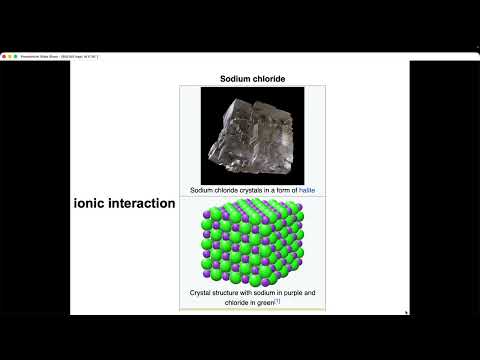
BIO105 Introductory Biology, Wed., Sept., 16th, David Champlin, USM
How covalent and noncovalent interactions explain water’s behavior, membrane transport, and protein function.
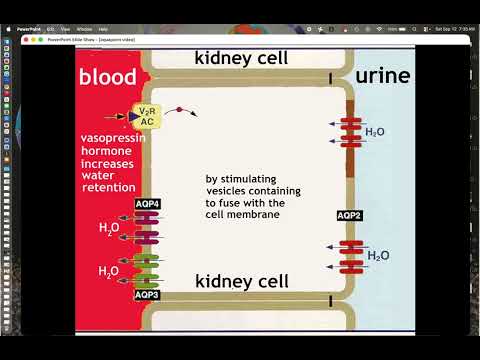
BIO105 Introductory Biology, Aquaporin video, David Champlin, USM
Aquaporin shows how protein structure enables rapid osmosis and how gene duplication can produce specialized water channels.
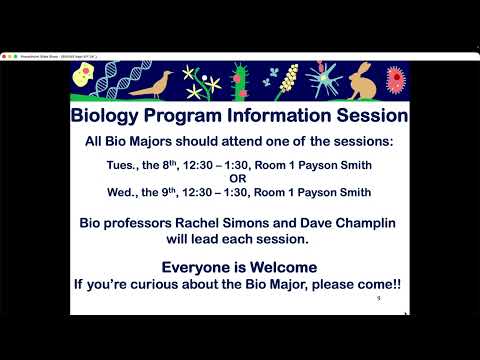
BIO105 Introductory Biology, Wed., Sept., 9th, David Champlin, USM
Champlin connects introductory chemistry to cell biology through aquaporin and a step-by-step introduction to atoms, ions, and molecular bonds.
BIO105 Introductory Biology, Wed., Sept., 2nd, David Champlin, USM
David Champlin connects evolution and molecular biology to practical study strategies and career opportunities at USM.
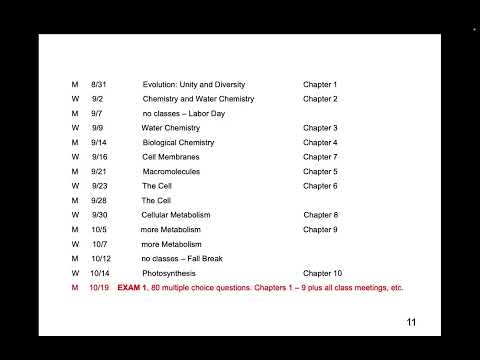
BIO105 Introductory Biology, Going Over Our Syllabus, David Champlin, USM
David Champlin explains BIO105 logistics and why AI-assisted study must stay aligned with course examples and expectations.
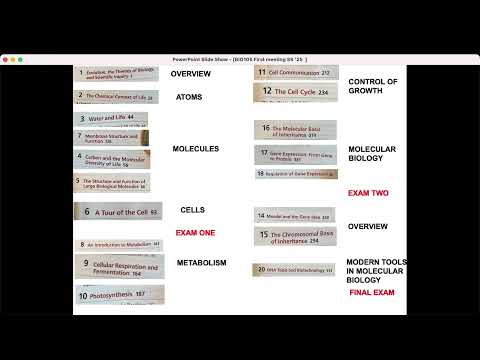
BIO105 First Class Meeting , May 20th, Introductory Biology, David Champlin, USM
BIO105 builds from atoms and chemical bonds to cells, with recorded lectures and active note-taking preparing students for three exams.
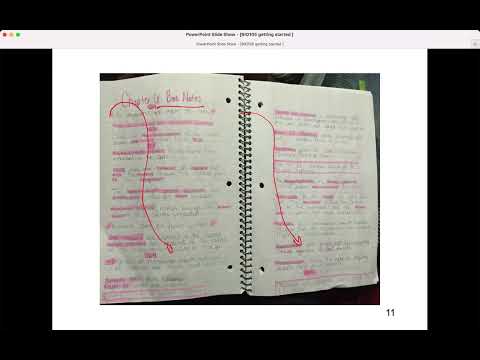
BIO105 Summer 2024, Getting Started with our course
A seven-week BIO 105 plan centers on handwritten mini-lecture notes, practice quizzes, and three exams, including a cumulative final.
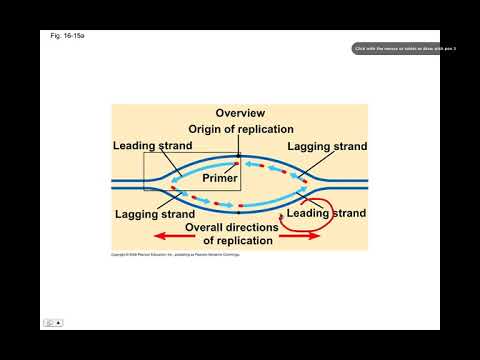
DNA Replication, BIO105 Introductory Biology, David Champlin, USM
DNA replication copies each chromosome semi-conservatively, using DNA polymerase at multiple replication forks.
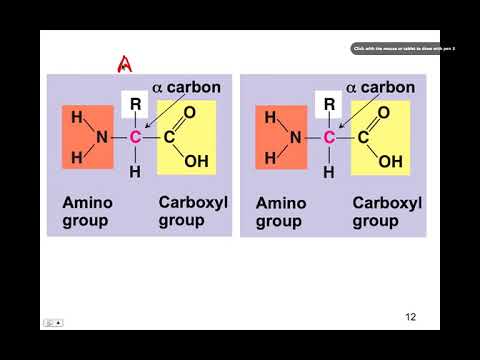
Protein Structure, BIO105 Introductory Biology, David Champlin, USM
Aquaporin shows how amino-acid sequences create protein structures that selectively move water—and how mutations can disrupt that function.
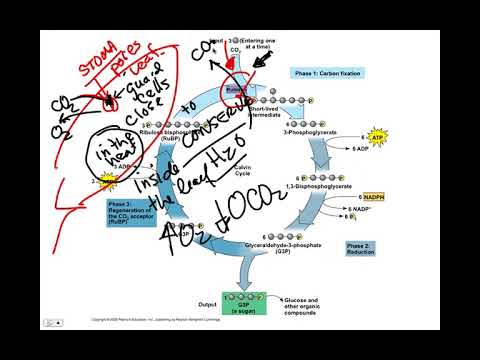
Calvin cycle, BIO105 Introductory Biology, David Champlin, USM
Rubisco’s photorespiration problem in hot, dry conditions helps explain how C4 and CAM plants adapt.
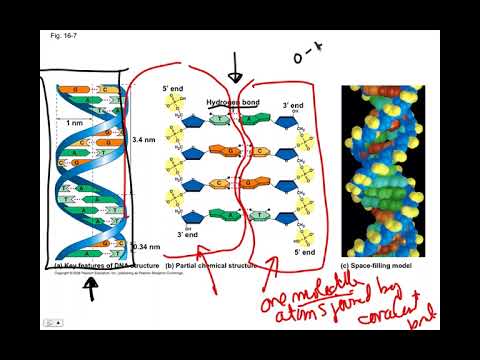
Ch 16 Overview, BIO105 Introductory Biology, David Champlin, USM
DNA’s complementary, antiparallel structure explains how it can be unzipped for gene expression and copied during replication.
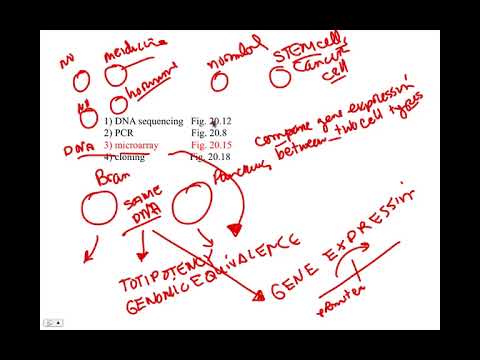
Cloning, BIO105 Introductory Biology, David Champlin, USM
Gurdon demonstrated genomic equivalence, and Yamanaka reprogrammed cells into stem cells with four transcription factors.
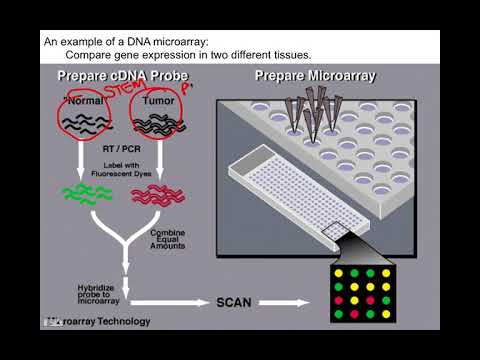
DNA microarray, BIO105 Introductory Biology, David Champlin, USM
DNA microarrays compare gene activity by measuring how differently labeled RNA binds to gene-specific probes.
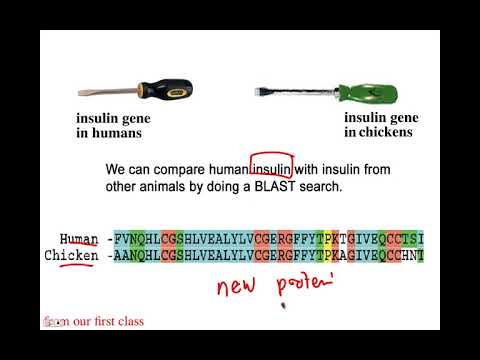
DNA Sequencing, BIO105 Introductory Biology, David Champlin, USM
Fluorescent chain termination reads DNA in short fragments that computers assemble into long sequences.
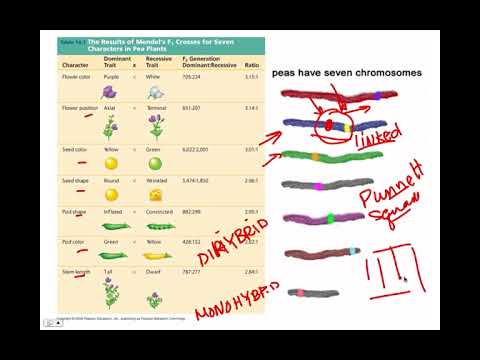
Dihybrid Crosses, BIO105 Introductory Biology, David Champlin, USM
Unlinked genes assort independently, while linkage and rare meiotic recombination shape the outcomes of dihybrid crosses.
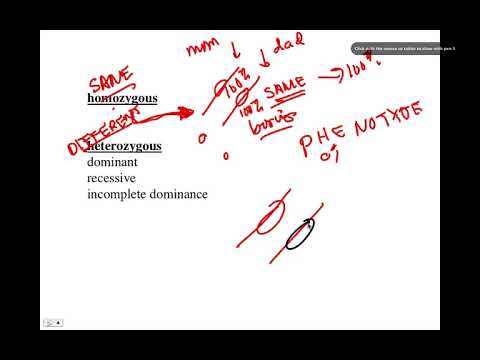
Allele Terms, BIO105 Introductory Biology, David Champlin, USM
Allele differences affect gene function and inherited traits, while changing allele frequencies drive evolution.
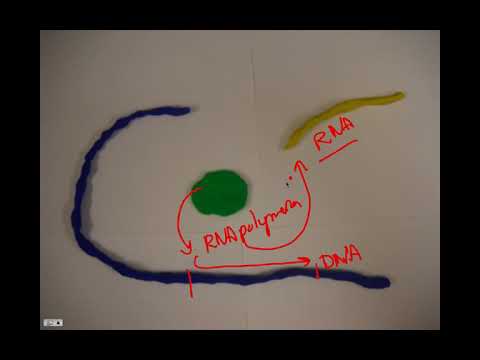
Gene Regulation, BIO105 Introductory Biology, David Champlin, USM
Tissue-specific transcription factors regulate which genes RNA polymerase transcribes, without changing the DNA sequence.
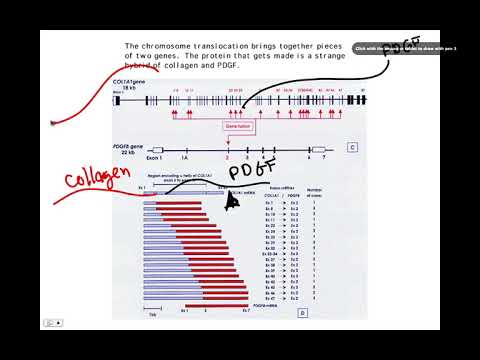
Overview, BIO105 Introductory Biology, David Champlin, USM
Gene regulation explains why cells with the same DNA produce different proteins—and how a promoter fusion can contribute to cancer.
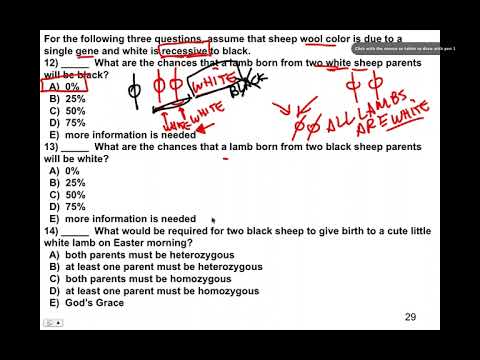
Story Problems, BIO105 Introductory Biology, David Champlin, USM
Use phenotype patterns and genotype visibility to solve inheritance problems without making unsupported assumptions.
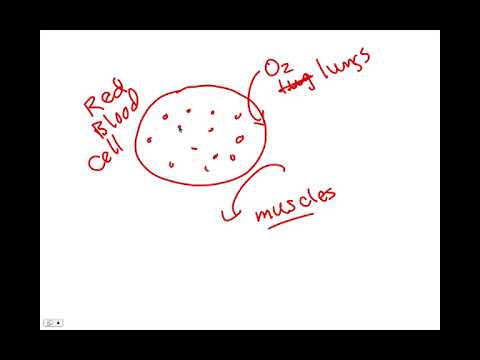
Ch 14 and 15 Overview, BIO105 Introductory Biology, David Champlin, USM
Allele pairs connect inherited DNA variation to molecular function and observable traits, from hemoglobin effects to differences in height.
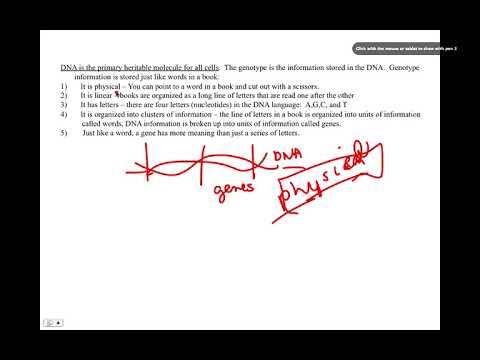
Genes have Two Parts, BIO105 Introductory Biology, David Champlin, USM
A gene’s transcription unit makes its product, while its promoter controls where, when, and how much is produced.
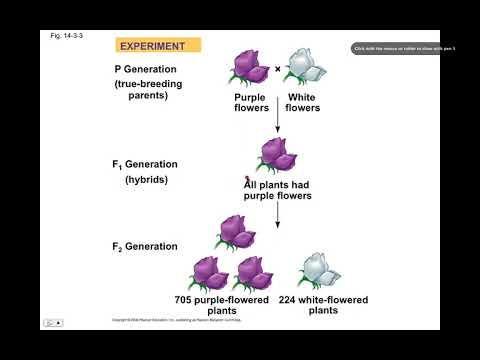
Punnett Square, BIO105 Introductory Biology, David Champlin, USM
Punnett squares predict inheritance probabilities by combining parental alleles that separate during meiosis.
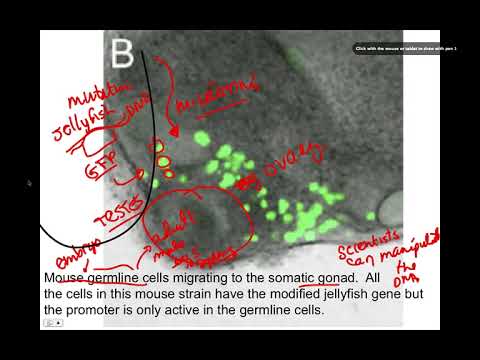
Misexpression of Genes, BIO105 Introductory Biology, David Champlin, USM
Gene expression can be redirected by changing promoter–gene relationships, either through mutation or engineered DNA constructs.
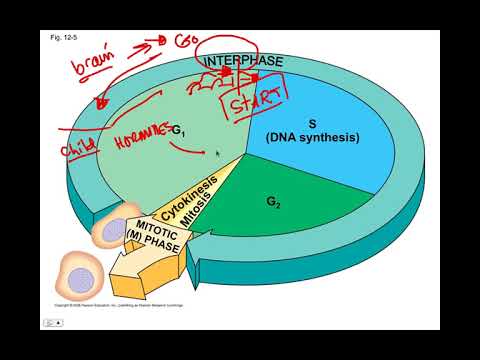
Mitosis, BIO105 Introductory Biology, David Champlin, USM
Interphase prepares cells for division; mitosis condenses and separates chromosomes through five key stages.
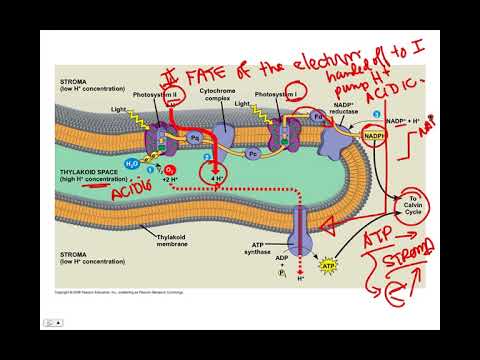
Light Reactions, BIO105 Introductory Biology, David Champlin, USM
Photosystems II and I use light-driven electron flow to produce ATP and NADPH, with water splitting releasing oxygen.
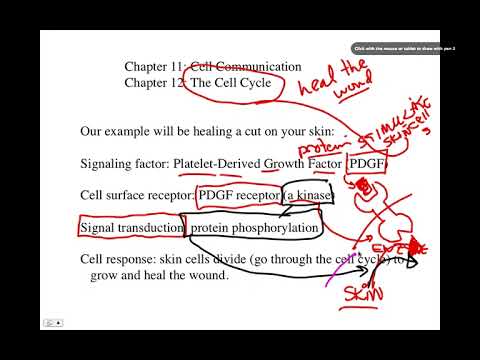
Wound Healing, BIO105 Introductory Biology, David Champlin, USM
PDGF-driven kinase signaling connects cell communication to skin-cell division during wound healing.
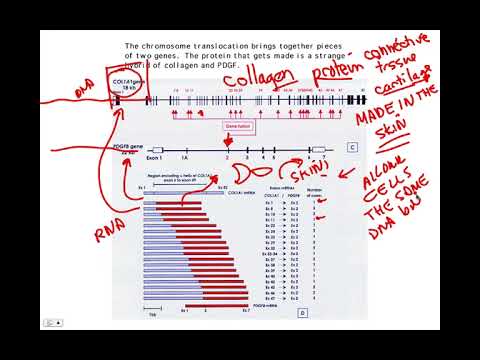
Skin Cancer patient, BIO105 Introductory Biology, David Champlin, USM
A COL1A1–PDGFB gene fusion can make skin cells produce their own growth signal, promoting uncontrolled division.
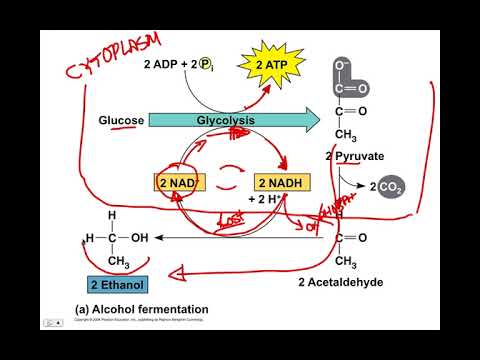
Fermentation, BIO105 Introductory Biology, David Champlin, USM
Fermentation recycles NADH to keep glycolysis producing ATP when oxygen is insufficient for oxidative phosphorylation.
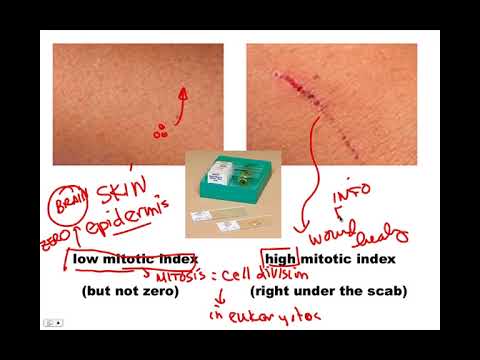
Important Overview, BIO105 Introductory Biology, David Champlin, USM
Cell division is controlled by protein-based information pathways, and their failure can cause cancer.
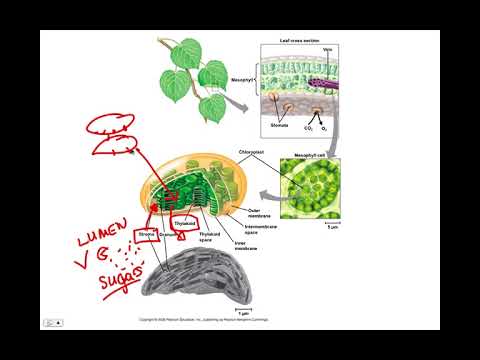
Ch 10 Overview, BIO105 Introductory Biology, David Champlin, USM
Chloroplasts convert light energy into ATP and NADPH, which drive carbon fixation and sugar production.
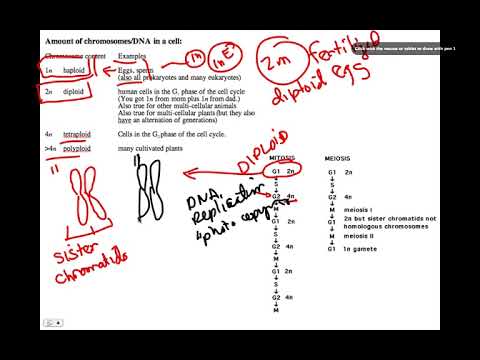
Meiosis, BIO105 Introductory Biology, David Champlin, USM
Meiosis produces haploid gametes through two divisions, with recombination in meiosis I increasing genetic variation.
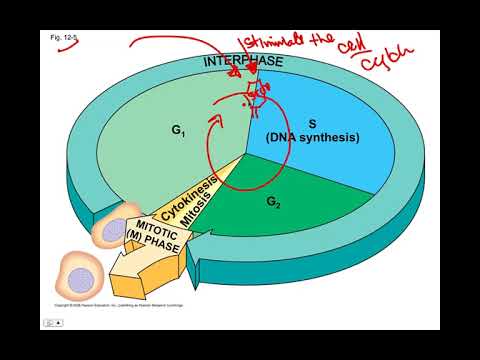
PDGF and PDGF Receptor, BIO105 Introductory Biology, David Champlin, USM
Platelets release localized PDGF at wounds, activating receptors that drive nearby skin cells into the cell cycle.