Ch 14 and 15 Overview, BIO105 Introductory Biology, David Champlin, USM
 Watch on YouTube →
Overview
David Champlin connects Mendelian or transmission genetics to molecular genetics: inherited alleles are DNA versions that can differ in their coding regions or in promoter-controlled expression. Using hemoglobin as an example, he explains how allele pairs shape phenotypes and introduces pleiotropy, polygenic traits, and quantitative variation such as height.
Key takeaways
- A gene’s effects can vary because alleles differ in coding DNA, which can alter a product, or in promoter DNA, which can alter where, when, or how much product is made.
- Diploid body cells typically carry two alleles per gene, one inherited from each parent, while sperm and egg cells carry one copy.
- Hemoglobin illustrates how molecular gene function can connect to organism-level phenotypes, including oxygen delivery, headaches, fatigue, organ problems, and potentially lethal outcomes.
- Pleiotropy means one gene can affect multiple phenotypes; polygenic inheritance means multiple genes contribute to one phenotype.
- Height is a quantitative, polygenic trait whose values form a continuous population range rather than a small set of discrete categories.
- An allele’s phenotypic effect depends on its partner allele, so genetic outcomes require considering allele combinations rather than isolated variants.
Chapters
0:00
Mendelian Genetics Through the Molecular View of Genes and Alleles
- Mendelian, breeding, or transmission genetics studies how traits pass from one generation to the next; Gregor Mendel established foundational ideas through pea-breeding experiments.
- Champlin relates transmission genetics to molecular genetics, describing a gene’s coding region and promoter as components that influence its product and expression.
- Promoters help determine where a gene is active, when it is active, and how much product it makes—for example, in the brain versus liver or during embryonic versus adult stages.
- Most body cells are diploid, carrying one allele from each parent; mutations create DNA-sequence differences that produce different alleles in a population.
6:38
Hemoglobin Alleles, Genotype, Phenotype, and Pleiotropy
- An allele can differ in its coding sequence or in regulatory DNA, changing the gene product or where, when, or how much of it is produced.
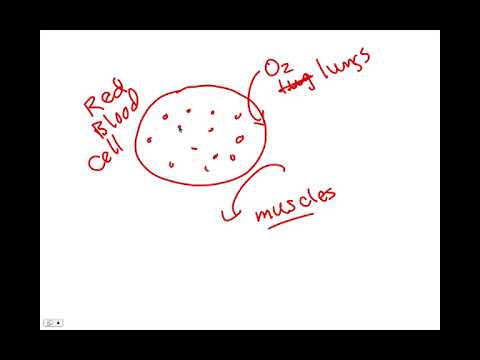
- Developing red blood cells use maternal and paternal hemoglobin gene copies to make proteins that bind oxygen in the lungs and release it to tissues.
- Genotype refers to the inherited allele combination, while phenotype includes resulting effects such as oxygen transport; Champlin notes that allele effects may combine rather than act as simple alternatives.
- Reduced hemoglobin function could have several consequences, from headaches and muscle fatigue to organ damage or death; one gene affecting multiple traits is pleiotropy.
14:18
Polygenic Traits, Quantitative Variation, and Allele Pairings
- Headaches and many other phenotypes can be affected by multiple genes, making them polygenic; environmental factors can also influence the observed outcome.
- Height is a classic quantitative trait: many genes contribute, and measurements across a population form a smooth range from shorter to taller individuals.
- Phenotypes can be easier or harder to measure, but observable traits may reflect combined genetic and environmental influences.
- The phenotype depends on the specific pair of alleles: the same allele may have different effects when paired with different alleles.
Summary, takeaways, and chapters were generated by AI from the video's transcript and may contain errors. The video belongs to its creator, The New Evolution for Everyone.