North Dakota State University ECE 211
Professor Green · North Dakota State University · 11 lectures with notes
Every lecture with its full transcript and chapters, and one search across all 11 lectures.
NDSU ECE 211 Lecture 20
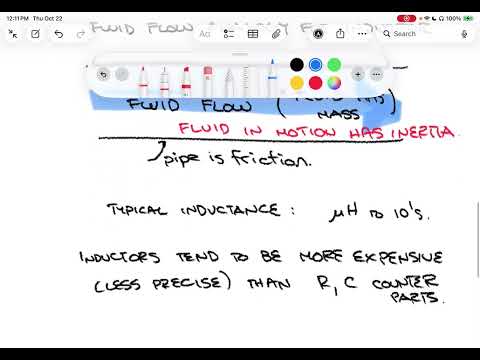
An inductor’s voltage is proportional to the rate of change of current, making its behavior the current-voltage counterpart of a capacitor.
NDSU ECE 211 Lecture 19
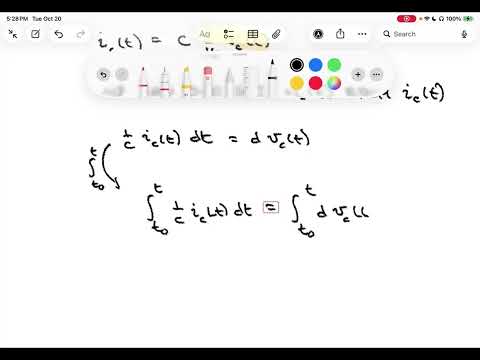
A 2 μF capacitor charged to 12 V stores 1.44 × 10⁻⁴ J, while its network equivalents depend on series or parallel arrangement.
NDSU ECE 211 Lecture 18
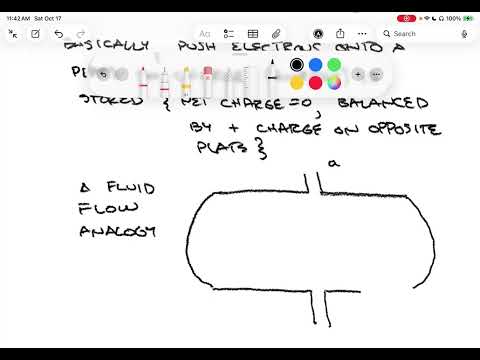
A capacitor stores energy, with current set by capacitance and the rate of change of voltage.
NDSU ECE 211 Lecture 16
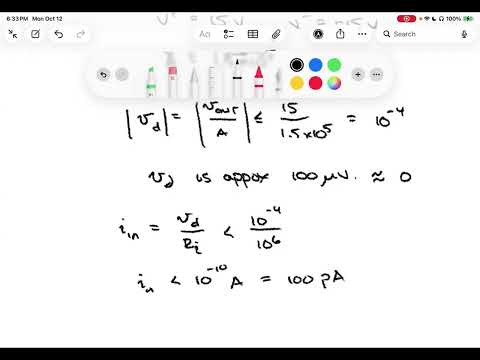
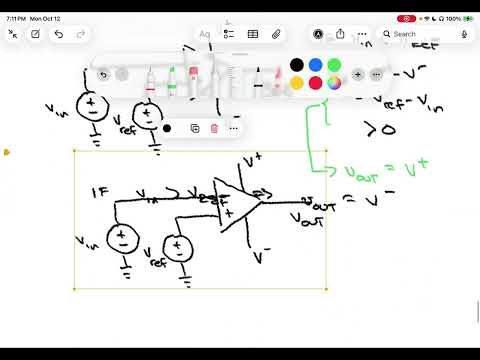
Finite gain and real-world op-amp limits explain when ideal assumptions work and how practical behavior affects circuits.
NDSU ECE 211 Lecture 17
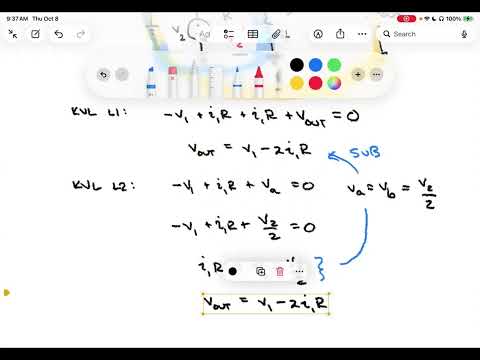
Positive feedback gives a comparator two switching thresholds, creating Schmitt-trigger hysteresis that reduces noise sensitivity.
NDSU ECE 211 Lecture 15
Op-amp buffering enables reliable cascaded circuit stages, unlike unbuffered resistor dividers that load one another.
NDSU ECE 211 Lecture 14
Ideal op-amp rules yield practical formulas for inverting, non-inverting, buffering, and summing circuits.
NDSU ECE 211 Online Lab 5
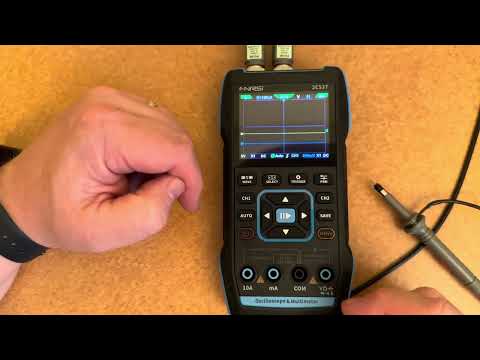
Configure the three-in-one meter to measure DC levels and compare a 1.25 kHz sine wave across a resistor divider.
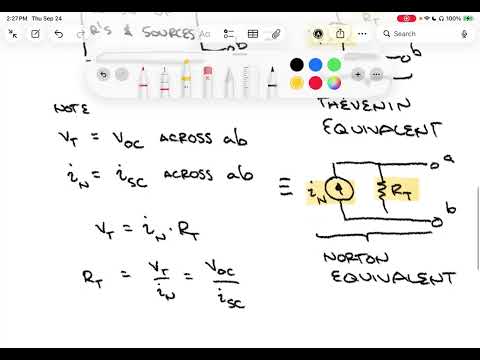
NDSU ECE 211 Lecture 13
Thevenin and Norton equivalents simplify resistor-source networks, and maximum power transfer occurs when the load matches the source resistance.
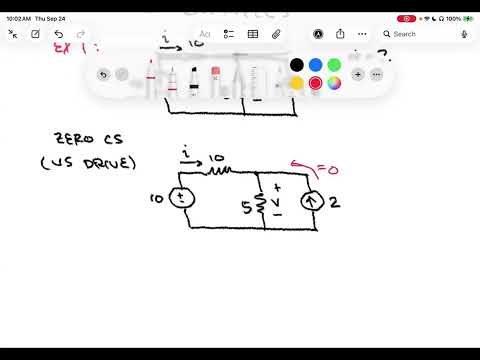
NDSU ECE 211 Lecture 12
Superposition separates independent-source contributions, while source transformations simplify equivalent practical circuits.
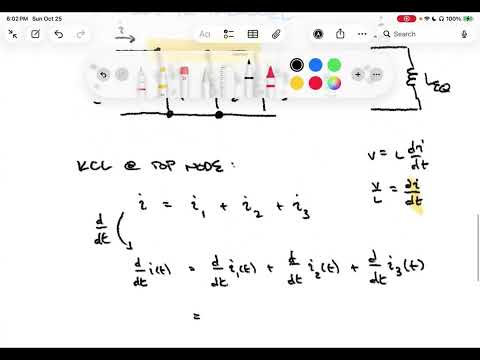
NDSU ECE 211 Lecture 21
Series inductors add, parallel inductors combine reciprocally, and an op-amp with a feedback capacitor performs scaled, inverted integration.