Endocrine Diseases 1of2
 Watch on YouTube →
Overview
Robert Kellar reviews endocrine signaling and hormone regulation, then applies hypothalamic-pituitary axes to disorders caused by hormone overproduction, underproduction, or abnormal target-tissue responses. Clinical examples include growth hormone excess and acromegaly, prolactinomas, diabetes insipidus, Graves disease, iodine-deficiency goiter, Hashimoto thyroiditis, and congenital hypothyroidism, with thyroid-stimulating hormone patterns used to distinguish thyroid from pituitary causes.
Key takeaways
- Endocrine signaling uses bloodstream-borne hormones for distant effects, while exocrine secretion travels to ducts or surfaces and paracrine or autocrine signals act locally.
- Hormone effects depend not only on hormone concentration but also on receptor abundance and sensitivity; oxytocin-receptor upregulation and insulin-receptor downregulation illustrate opposite forms of regulation.
- The location of a defect along the hypothalamic-pituitary-target-organ axis matters: thyroid-gland disease is primary hyperthyroidism, while excess pituitary TSH is a secondary cause.
- Growth hormone excess causes gigantism before growth plates close and acromegaly afterward; liver-derived IGF-1 mediates many growth effects and excess can impair insulin sensitivity.
- Diabetes insipidus is a water-balance disorder involving vasopressin or kidney responsiveness, not insulin; polyuria, polydipsia, dilute urine, and elevated sodium can help identify it.
- Graves disease stimulates the TSH receptor with antibodies, whereas Hashimoto thyroiditis involves T-cell-mediated thyroid destruction; TSH patterns help distinguish thyroid overactivity from underproduction.
Chapters
- Exam two is scheduled for the following Tuesday; study guides are posted on Canvas, with Monday office hours available on Zoom or in person.
- The lecture reviews endocrine signaling before applying it to disease states, with pancreas disorders planned for Thursday.
- Endocrine glands release hormones into the bloodstream for effects at distant tissues throughout the body.
- Exocrine glands release substances onto surfaces or into ducts, as sweat glands and the digestive pancreas do.
- Paracrine signals affect neighboring cells, while autocrine signals act on the same cell that released them.
- Compared with broadly distributed endocrine effects, nervous-system signaling is typically faster and more locally specific.
- Peptide hormones are protein fragments; examples include anterior-pituitary prolactin and posterior-pituitary antidiuretic hormone.
- Steroid hormones use cholesterol as a precursor; estradiol, testosterone, and dexamethasone are examples.
- Monoamines include epinephrine, norepinephrine, dopamine, and thyroid hormone, and are commonly derived from tyrosine.
- Eicosanoids derived from arachidonic acid include leukotrienes, prostaglandins, prostacyclins, and thromboxanes, which can affect blood vessels and smooth muscle.
- Hormone receptors are specific and can become saturated; increasing receptor number or sensitivity can amplify a signal through upregulation.
- Oxytocin-receptor upregulation in late pregnancy helps prepare uterine tissue for contractions, while insulin-receptor downregulation can reduce insulin sensitivity.
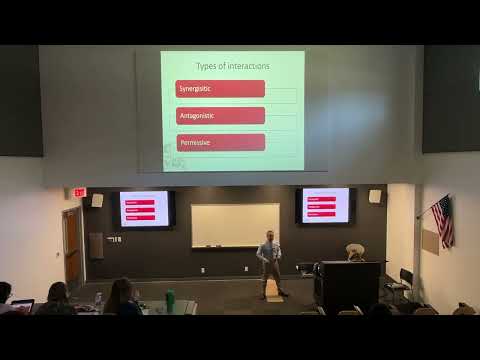
- Synergistic hormones produce a greater combined effect, as follicle-stimulating hormone and testosterone do in sperm production.
- Insulin and glucagon have antagonistic effects on blood glucose, while estrogen is permissive to progesterone by increasing progesterone-receptor expression.
- The hypothalamus regulates pituitary activity; the anterior pituitary releases hormones including FSH, LH, TSH, ACTH, prolactin, and growth hormone.
- The posterior pituitary is primarily a collection of neuronal axons that releases oxytocin and vasopressin, also called antidiuretic hormone.
- Pituitary axes connect brain signals to target organs, so abnormal growth can prompt evaluation of growth hormone, thyroid function, and their upstream regulators.
- Following hormone levels and the relevant axis can help locate a disorder before proceeding to imaging, particularly when evaluating a child.
- Endocrine disorders can arise from impaired hormone synthesis, excessive or deficient production, abnormal hormone-target interaction, or an abnormal target-tissue response.
- Pituitary adenomas may be functional, producing hormones with clinical effects; silent, producing hormones without evident effects; or hormone-negative.
- A growing adenoma can cause mass effects, including optic-chiasm or cranial-nerve compression, as well as hormone hypersecretion or pituitary underproduction.
- Hypopituitarism may follow infarction, traumatic brain injury, infection, surgery, or postpartum ischemia in Sheehan syndrome.
- Excess growth hormone before the growth plates close causes gigantism; continued excess afterward causes acromegaly rather than additional height.
- Acromegaly can enlarge the jaw and facial bones and thicken the brow; ongoing effects can also enlarge the heart and other tissues.
- Growth hormone stimulates the liver to produce insulin-like growth factor 1, which supports growth in bone, cartilage, skeletal muscle, skin, and other tissues.
- Growth hormone excess can reduce insulin sensitivity and contribute to hyperinsulinemia and type 2 diabetes.
- Prolactinoma is presented as the most common hormonally active pituitary tumor and causes elevated serum prolactin.
- In women, excess prolactin can cause galactorrhea and amenorrhea; in men, it can contribute to low sperm concentration, reduced libido, and erectile dysfunction.
- A sufficiently large prolactinoma can compress the optic nerve or optic chiasm and impair vision.
- Pituitary underproduction may result from stroke-related infarction, head trauma, infection, or surgical removal of healthy tissue around an adenoma.
- Vasopressin, or antidiuretic hormone, promotes water reabsorption in the renal tubules; deficiency causes diabetes insipidus, not an insulin or blood-glucose disorder.
- Low antidiuretic hormone can cause dilute, high-volume urine (polyuria), excessive thirst (polydipsia), and elevated blood sodium when water loss is substantial.
- Neurogenic diabetes insipidus results from inadequate hormone production or release and is described as the more common form.
- Nephrogenic diabetes insipidus reflects impaired kidney response and can occur with severe renal disease; evaluation can include sodium, hormone levels, and urine concentration.
- Primary hyperthyroidism originates in the thyroid and can result from Graves disease, toxic nodules or goiter, or an adenoma; excess pituitary TSH is a secondary cause.
- Graves disease is an autoimmune type II hypersensitivity in which antibodies stimulate the TSH receptor, increasing thyroid hormone production.
- Hyperthyroidism can raise basal metabolic rate and heart rate and cause weight loss, sleeplessness, and, in Graves disease, eye changes called orbitopathy.
- The lecture contrasts this high-metabolism pattern with hypothyroidism and shows improvement after treatment with the antithyroid drug carbimazole.
- Low thyroid hormone can cause fatigue, low activity, weight gain, and sleepiness; primary causes include autoimmune thyroid disease, thyroiditis, and iodine-deficiency goiter.
- Iodine is required for thyroid hormone production; iodized salt helps prevent iodine-deficiency goiter, which the lecture identifies as responsible for about 90% of goiter cases worldwide.
- The thyroid's iodine uptake can be used to target radioactive iodine treatment, and thyroid removal or treatment for overactivity may leave a patient needing daily thyroxine replacement.
- The lecture also notes thyroid cancer treatment and describes a generally favorable outcome after thyroid removal, while emphasizing the need for hormone replacement afterward.
- Hashimoto thyroiditis is identified as a common cause of hypothyroidism and is described as about ten times more common in women than in men.
- Autoreactive CD4 helper T cells and cytotoxic T cells contribute to thyroid destruction; anti-thyroid antibodies may also be present.
- Because T-cell-mediated injury is involved, Hashimoto disease is classified as a type IV hypersensitivity, unlike receptor-stimulating, antibody-mediated Graves disease.
- Untreated congenital hypothyroidism can impair growth and development and cause cold intolerance, low energy, weight gain, constipation, and fluid accumulation.
- A case of a 10-year-old with a bone age of about five years illustrates substantial catch-up growth after thyroid hormone treatment.
- TSH helps distinguish causes: low TSH can indicate thyroid hormone excess, while high TSH can signal that the pituitary is compensating for an underactive thyroid.
- The lecture closes by linking diagnostic reasoning to the hypothalamic-pituitary-thyroid axis and previewing pancreatic disorders for the next class.
Transcript excerpt
0:00 When do astronauts eat lunch? At launch time. Some nods. I'll take it. Just some barely positive body language. I'll take it. Uh, why did [clears throat] the snake go to the to the baby toy store? Why did the snake go to the baby toy store? He needed to get a new rattle. Nicely done. What kind of dog do you find in a bakery? >> A pureb bread. You are ready for the exam, young lady. So, speaking of which, what's happening next Tuesday?
0:54 Exam two. The [clears throat] uh study guides are already posted on Canvas. You you should be able to go through those. I'll [snorts] have uh office hours on on Monday on Zoom or in person. So, come on by if you have any last minute questions. Okay. So today and Thursday is the last new material before the exam and true to form. We're going to start out with um kind of a review of material in the endocrine system and then we'll get into some of the disease states. How's that sound?
1:42 So, we got today and and Thursday. Thursday will probably be a little lighter. Today will be, you know, kind of heavy and full. Um, we'll kind of like slow slowly, you know, ease into the end of the week before [clears throat] the exam on on Tuesday of next week. So, same format as last time online. So, next week we won't have lecture on Thursday. We'll just have the exam. You don't have any quizzes. You just just have exam two and then I see you basically two weeks from today. Does that make sense? Okay. Okay. So, [clears throat] first up, compare and contrast endocrine versus exocrine. So, the endocrine system, if you remember back to 202, it's a it's a very
This is the start of the transcript. Save this video free for the whole transcript, searchable and time-coded.
Related notes
Summary, takeaways, and chapters were generated by AI from the video's transcript and may contain errors. The video belongs to its creator, Robert Kellar, Ph.D..