carbohydrate metabolism disorder . Diabetes mellitus. coma
 Watch on YouTube →
Overview
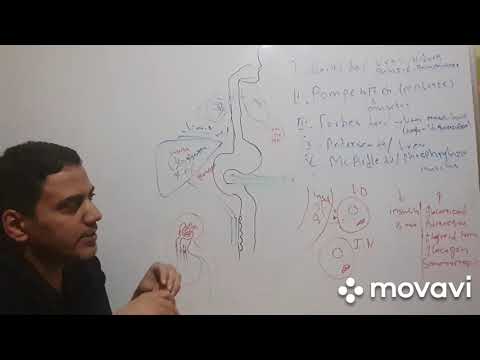
The lecture maps carbohydrate metabolism across digestion, liver glycogen storage, blood glucose, kidney reabsorption, and cellular use, then connects failures at these stages to disorders such as hypoglycemia, glucosuria, and glycogen-storage diseases. It explains diabetes mellitus as chronic hyperglycemia associated with insulin deficiency or reduced insulin action, covering its two major types, characteristic symptoms, metabolic effects, acute coma, chronic vascular complications, and broad treatment approaches.
Key takeaways
- Glucose metabolism can be understood as a sequence of four checkpoints: intestinal absorption, liver processing, kidney reabsorption, and entry into cells.
- Glucosuria has two broad explanations: renal tubular reabsorption failure, which can occur with normal blood glucose, or blood glucose high enough to exceed renal reabsorptive capacity.
- The lecture distinguishes type 1 diabetes by absolute insulin deficiency from type 2 diabetes by reduced insulin effectiveness, and presents insulin replacement for type 1 and sensitivity-enhancing therapies for type 2.
- Hyperglycemia, glucosuria, polyuria, polydipsia, polyphagia, and dehydration form the lecture's six-part description of diabetic syndrome.
- Diabetes complications are divided into acute metabolic crises, including hypoglycemic and hyperglycemic coma, and chronic vascular disease affecting large and small vessels.
- The lecture names Von Gierke, Pompe, Forbes, Andersen, and McArdle diseases as inherited glycogen-storage disorders associated with different enzyme deficiencies and tissue accumulation.
Chapters
- Salivary alpha-amylase begins starch digestion, pancreatic alpha-amylase continues it in the duodenum, and intestinal enzymes such as lactase and maltase produce absorbable sugars.
- Absorbed glucose travels through the portal vein to the liver, where insulin promotes glycogen formation and glucagon promotes glycogen breakdown.
- The lecture organizes glucose handling around four barriers: the intestinal wall, liver, kidney nephron tubules, and cell membranes.
- Inherited deficiencies of intestinal enzymes such as lactase or maltase can leave sugars in the gut, increase osmotic pressure, and cause diarrhea and low blood glucose.
- Von Gierke disease is presented as glucose-6-phosphatase deficiency, causing glycogen accumulation in the liver and kidneys, organ enlargement, and hypoglycemia.
- The lecture also associates impaired glycogen synthesis with liver disease and glycogen breakdown with starvation or sympathetic activation.
- Hyperglycemia is divided into alimentary elevation after meals, emotional elevation associated with stress and adrenaline, and hormonal elevation involving insulin or counter-regulatory hormones.
- The lecture names glucocorticoids, adrenaline, thyroid hormones, glucagon, and growth hormone as glucose-raising hormones, with insulin as the principal glucose-lowering hormone.
- Acute hypoglycemia is linked to strenuous exertion or excess insulin; chronic causes include starvation, endocrine deficiencies, and insulin-producing tumors.
- Glucosuria can result from impaired kidney-tubule reabsorption, as in Fanconi syndrome, or from blood glucose exceeding the kidney's reabsorptive capacity.
- The lecture describes insulin-dependent glucose uptake and conversion of glucose through glycolysis and pyruvate to acetyl-CoA, which enters mitochondrial energy metabolism.
- It lists impaired oxygen supply, vitamin B1 deficiency, mitochondrial damage, or insufficient insulin or glucose as conditions that can disrupt aerobic metabolism and promote lactate accumulation.
- Named glycogen-storage disorders include Pompe disease, Forbes disease, Andersen disease, and McArdle disease, associated with different enzyme deficiencies and tissue patterns.
- Diabetes mellitus is defined as chronic hyperglycemia associated with absolute or relative insulin insufficiency; the lecture distinguishes insulin-dependent type 1 from usually insulin-resistant type 2.
- Type 1 is attributed to beta-cell damage and absolute insulin deficiency, while type 2 is associated with reduced insulin action, including receptor or intracellular signaling problems.
- The six-feature diabetic syndrome includes hyperglycemia, glucosuria, polyuria, polydipsia, polyphagia, and dehydration or increased blood osmolarity.
- The lecture connects urinary glucose to osmotic water loss, explaining the linked symptoms of frequent urination and thirst.
- Reduced insulin action is linked to impaired amino-acid uptake and protein synthesis, while increased fat breakdown raises circulating fatty acids and lipids.
- Acute complications include hypoglycemic coma and hyperglycemic coma, with the latter associated in the lecture with hyperosmolarity, ketone bodies, and lactic acidosis.
- Long-term macroangiopathy is associated with atherosclerosis, myocardial infarction, stroke, and gangrene; microangiopathy affects small vessels in the retina, kidneys, and nerves.
- The lecture attributes small-vessel injury partly to glucose-related damage and lipid peroxidation.
- The lecture presents insulin replacement as the treatment approach for type 1 diabetes because of absolute insulin deficiency.
- For type 2 diabetes, it describes medicines intended to improve insulin sensitivity and support insulin production by pancreatic beta cells.
- Hereditary predisposition and obesity are identified as risk factors, with excess body fat linked to reduced insulin sensitivity.
Transcript excerpt
0:00 so topic carbohydrate metabolism disorder carbohydrate is biochemical biochemical substances what which we need for almost for energy sometimes for structural building and but mainly for energy carbohydrate there are types of carbohydrate mono, saccharides, D and polysaccharides. So let us refresh something normal about physiology and biochemistry. We eat carbohydrate in mouth that start to digest by alpha-amylase of saliva, saliva alpha amylase then some of some of sugar can be can be absorbed here inside mouth
0:58 and it can directly goes to the to the brain for feeding some amounts of sugar and the rest we will swallow into stomach and stomach there is nothing to do because we have no enzymes for carbohydrate digestion it's just continuous action of alpha mylase of saliva then to duodenum in duodenum we have pancreatic juice inside pancreatic juice we have alpha mylase pancreas of pancreas it's to continue digest sugar then in the intestine there is holy holy digestion and membranous or holy digestion in the wall in this wall we have own enzymes own enzymes different types of enzymes for different types of sugar lactase maltase
1:55 saccharase and so on these enzymes then sugar will be divided into monomers into glucose and fructose then they will be absorbed from intestine the wall of intestine into vessel into veins here into veins but for absorption the sugar have to come inside in the telial cells it has it will have some chemical reaction for phosphorylation and then defosphorylation and then the opposite side it will be absorbed to the veins local veins here and then to liver by portal vein glucose which is reached the liver liver take this glucose and then it's converted
2:57 into glycogen glycogen this process called as glycogenogenesis glycogenogenesis and this process we have enzyme for this process it's called as glycogen synthesis and this process
This is the start of the transcript. Save this video free for the whole transcript, searchable and time-coded.
Related notes
Summary, takeaways, and chapters were generated by AI from the video's transcript and may contain errors. The video belongs to its creator, lectures of pathophysiology.