11/5/26 Happiness
Overview
A Penn State class connects economism, the belief that earning money and accumulating possessions produce happiness, to students’ spending habits, psychological needs, and relationships with the natural world. It uses Maslow’s hierarchy, research on income and well-being, the World Happiness Report, and examples from student discussions to argue that reflective choices, connection, activity, learning, and giving often meet deeper needs than buying more stuff.
Key takeaways
- Before buying an object, identify the need it represents: a convertible symbolized freedom, while repeated chair purchases symbolized a wish for comfort that required making time to rest.
- Income can improve well-being and life satisfaction up to a point, but research presented in class shows the relationship leveling off, making personal definitions of “enough” important.
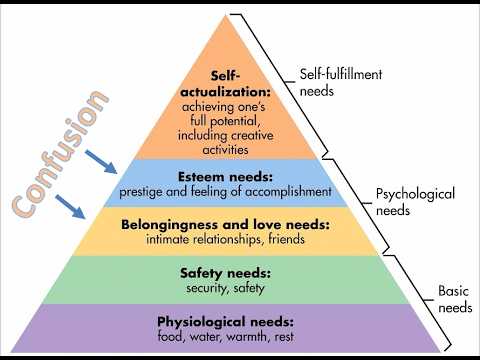
- Maslow’s hierarchy helps distinguish basic needs such as food and shelter from purchases driven by belonging or esteem, which can be amplified by influencers, peers, and family pressure.
- Nic Marks’s five routes to happiness are connection, activity, taking notice, learning, and giving; many examples, including volunteering and spending time with loved ones, do not require much money.
- Social media’s effect on well-being depends on how it is used: passive algorithmic feeds are associated with worse outcomes than active communication with friends.
- Pausing between a stimulus and a response, then comparing what one has with what one needs, can interrupt impulse spending and reduce frustration.
Chapters
- Economism frames a cycle of working for money, accumulating possessions, and expecting those possessions to create happiness.
- Recognizing economism as a pervasive cultural story can help people ask questions about others’ choices and beliefs.
- The class connects questioning and vulnerability with building deeper relationships, while noting that both take practice.
- The instructor’s childhood dream of owning a convertible represented freedom and exploration, although driving with the windows down feels stressful.
- Repeatedly buying chairs seemed to promise comfort, but the deeper need was to make time to sit down, read, or knit.
- Metacognition, or examining one’s own thinking, can reveal when a desired object symbolizes a need that the object itself cannot meet.
- Students traced money goals to underlying values: tipping DoorDash workers fairly, reducing anxiety about tuition and textbooks, and supporting a favorite creator through Patreon.
- Accumulating possessions to satisfy a need is compared to taping sandwiches onto the body to address hunger: the underlying need remains unmet.
- Viktor Frankl’s idea of a space between stimulus and response is applied to online shopping, where pausing before clicking “buy now” creates room to choose.
- Research presented in class shows well-being and life satisfaction rising with income before leveling off, suggesting a point where more money brings diminishing benefits.
- Brent Donnelly argues that people should understand their own money-and-happiness curve rather than pursue society’s financial scoreboard.
- The class distinguishes survival needs, such as food and safe shelter, from comfort and luxury, such as paying extra to have DoorDash deliver a meal.
- Sharing surplus money, including examples associated with MacKenzie Scott, is offered as an alternative to continued overconsumption.
- Maslow’s hierarchy links spending to physiological needs such as food, shelter, and transportation, as well as belonging, esteem, and self-actualization.
- Students’ needs differ: repetitive work may build esteem for one person but diminish it for another.
- Buying a hoodie because peers own it can meet a perceived belonging need, while buying it to emulate an influencer can reflect a desire for status or accomplishment.
- Social media, family expectations, and peer pressure can make it difficult to identify which psychological need a purchase is meant to satisfy.
- A desire can bring brief relief when fulfilled, followed by adaptation and a new desire, as with a newly purchased hoodie that soon gets folded away.
- Recognizing the cycle can interrupt automatic consumption and prompt people to rediscover something they already own.
- The class connects deliberate choice to awareness of bodily and psychological patterns, including the calming effect of three deep breaths.
- Students described a dog’s happiness through food, play, and family company, and a sister’s happiness through hugs and time with family.
- Retired parents finding joy in biking, tennis, gardening, and spending time with a dog illustrated the value of activities they enjoy.
- A journal exercise asked students to list three experiences of genuine happiness, with examples including singing, exploring new places, eating, and spending time with loved ones.
- Volunteering at THON and a grief camp brought happiness through supporting children and witnessing moments of connection.
- Happiness researcher Nic Marks’s categories include connection, being active, taking notice, learning, and giving.
- Examples included noticing a campus ginkgo tree turn bright yellow, moving the body through recreation, and giving time, energy, donations, or hugs.
- Many reported sources of happiness require little or no money, even though money can sometimes support them.
- Students were invited to reflect on what holds them back from relationships that make them feel alive.
- The World Happiness Report ranks countries using six factors: social support, GDP per capita, healthy life expectancy, freedom, generosity, and perceived corruption.
- The reported top ten included Finland, Iceland, Denmark, Sweden, Norway, the Netherlands, Costa Rica, Israel, Luxembourg, and Switzerland; the United States ranked 23rd.
- The report’s social media discussion describes a complicated relationship with well-being, varying by user, platform, duration, and type of use.
- Passive algorithmic scrolling is associated with worse well-being than active communication with friends, while high social media use is linked to lower life satisfaction.
- The instructor contrasts enjoyable West Coast Swing dance clips with an impulse purchase of a bright hoodie to illustrate intentional and reactive social media use.
- While waiting for a late friend, shifting attention from the missing arrival to the beautiful clouds helped turn frustration into appreciation.
- Reflection questions ask whether spending fits personal values, meets a real need, affects other people and the planet, or is being rationalized.
- The closing argument defines happiness as an inner state grounded in integrity and harmony with oneself, other people, and the natural world.
Transcript excerpt
0:56 Hey everyone, welcome. Happy to see you all today. Thanks for being here. Let's just take a moment and breathe together. Bring our awesome collective energy into this room. So many different voices, so many different views and experiences. I'm glad that all of you are here. Thank you for that. Um Tonight, I didn't put in a slide, but tonight is the event at Shavers Creek. So if you're headed out there with your labs, you can carpool out to Shavers Creek for just
1:43 some fun tonight, campfire, s'mores, all kinds of cool stuff going on out there. So that's there for you. It's organized by another class, RPTM 456. Pretty exciting. Um All right. So we're to jump right in. There's a lot of stuff because this is such a fun topic to talk about and wrestle with that we have lots of cool things um to consider today. So, this is where we were. This is where we were on Tuesday, that story of economism, the idea that work to get money to accumulate possessions leads to happiness. So, as you've been sitting with this, I understand that talking about our story, our history can be challenging and yet I
2:33 do think that it's directly linked to where we are today. And I understand from some of your responses on Tuesday that some of you feel like this isn't your story, and that's pretty cool. I appreciate that. Um, and also it is the story, one of the big stories of our culture. And so being able to understand that this is this is pervasive, uh whether you feel like you're in it or not, might help you to open conversations with people, use all of those cool questioning skills that you have acquired over the course of your
This is the start of the transcript. Save this video free for the whole transcript, searchable and time-coded.
Related notes
Summary, takeaways, and chapters were generated by AI from the video's transcript and may contain errors. The video belongs to its creator, BiSc3 Penn State University.