The intestine - The body’s underappreciated control center and gut health | DW Documentary
 Watch on YouTube →
Overview
The gut is presented as an organ system influencing immunity, nutrient absorption, athletic performance, and mental well-being, partly through its diverse microbiome and two-way communication with the brain. Through the experiences of triathlete Jana, Philipp Stehler’s ulcerative colitis, and Cari’s irritable bowel syndrome, clinicians Tanja Kühbacher and Miriam Stengel explain gut biology, diagnostic options, and individualized care; practical themes include fiber-rich foods, recovery, psychological support, and speaking openly about symptoms.
Key takeaways
- The small intestine’s 5–6-meter length and villi create about 30 square meters of absorptive surface, while the large intestine provides a habitat for a highly individual microbiome.
- The transcript describes a gut microbiome containing nearly 3,600 identified microorganism types; individuals typically carry around 300–500 species, though researchers still do not fully understand what every species does.
- Ulcerative colitis and Crohn’s disease involve chronic intestinal inflammation, but their location differs; Philipp Stehler’s experience also illustrates that severe disease may require surgery as well as medical treatment.
- IBS symptoms are real even when investigations show no visible gut damage, and an effective plan may combine medical follow-up, symptom-targeted medication, nutrition support, and psychotherapy.
- The gut and brain communicate through neural and hormonal pathways; the transcript connects this system with digestion, immune activity, emotions, and stress-related symptoms.
- Diet and training adjustments should be individualized: Jana reports benefit from added fiber, while the documentary also emphasizes recovery from intense exercise and clinical guidance for persistent symptoms.
Chapters
0:00
The Gut’s Role: Microbiome, Digestion, and Jana’s Nutrition Goals
- Gastroenterologist Tanja Kühbacher describes the gut as an influential control center and chronic inflammatory bowel disease as a major focus of her research.
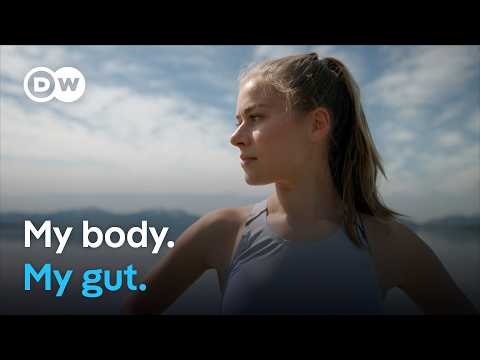
- Jana, a 26-year-old computer science student and model training for an Ironman 70.3, investigates how food intolerances and nutrition affect her performance.
- The small intestine is 5–6 meters long, with folds and villi creating about 30 square meters of absorptive surface; the large intestine houses trillions of microorganisms.
- The gut also serves as a major immune organ, while its microbiome includes bacteria, viruses, archaea, and fungi.
5:42
Jens Freese Assesses Jana as Philipp Stehler Explains Ulcerative Colitis
- Sports scientist and neuroimmunologist Jens Freese evaluates Jana using stool and blood tests to look for inflammation and nutritional issues.
- Philipp Stehler developed bloody diarrhea before receiving an ulcerative colitis diagnosis; his colon was later removed, and he says he now lives a largely normal life.
- Ulcerative colitis affects the colon, while Crohn’s disease can affect other parts of the digestive tract; the transcript cites about 650,000 people with these conditions in Germany.
- A damaged mucus and epithelial barrier can activate immune cells and inflammatory cytokines; chronic disease involves inflammation that fails to switch off properly.
12:49
Microbiome Diversity, Jana’s Test Results, and Fiber-Based Changes
- Researchers can identify nearly 3,600 gut microorganism types, while an individual typically carries 300–500 species with a combined weight of roughly 2 kilograms.
- Jana’s stool test shows no acute inflammation but suggests a gut pH shift and fewer immunomodulating bacteria; Freese recommends increasing fiber.
- Prebiotic fibers in vegetables, whole grains, flaxseed, and psyllium can feed gut bacteria; probiotics are bacterial strains found in foods such as yogurt and kimchi, as well as supplements.
- Jana reports that increasing fiber feels manageable and that she feels lighter as her training continues.
16:10
Cari’s IBS and Anxiety: Symptoms, Stigma, and Clinical Context
- Cari describes IBS-related urgency and anxiety, including planning outings around bathrooms and experiencing diarrhea up to ten times a day.
- Her symptoms began in childhood and intensified around stressful events; a normal colonoscopy left her feeling without an explanation or next steps.
- Gastroenterologist Miriam Stengel says IBS affects about 10% of people—roughly 8 million in Germany—and commonly appears between ages 20 and 30; women are diagnosed about twice as often.
- Stengel distinguishes constipation-predominant, mixed, and diarrhea-predominant IBS, and explains how gut symptoms and anxiety can reinforce each other.
21:23
IBD Treatment, Philipp’s Colectomy, and Nutrient Absorption
- Stengel notes that modern biologics, antibodies, and small-molecule medicines can help control inflammatory bowel disease over the long term, beyond older corticosteroid approaches.
- Philipp recounts a severe 2019 flare that led doctors to recommend colectomy; the usual surgical pathway includes a temporary stoma while inflammation settles and healing occurs.
- After colon removal, Philipp learned that inflammation had also affected his esophagus and small intestine, prompting major changes to his diet and lifestyle.
- Clinician commentary connects gut inflammation with reduced nutrient absorption and flags signs such as cracked mouth corners or rough skin as reasons to check nutrients including vitamin B12 and iron.
25:19
Diet, Recovery, and the Gut–Brain Connection
- Jana prepares for the Tegernsee Triathlon while Freese cautions that extreme training can reduce digestive-tract microcirculation, making recovery important.
- Philipp says changing his diet was a turning point: he reduced foods he believed aggravated symptoms, cooked more at home, and now eats about 90–95% vegan.
- The documentary highlights omega-3 fats, berries, nuts, dark leafy greens, and polyphenol-rich fruits, herbs, and spices as foods with potential anti-inflammatory effects.
- The gut wall contains more than 100 million nerve cells and communicates with the brain through the vagus nerve, spinal cord, and hormones; Cari describes behavioral therapy as helping her understand this interaction.
31:16
Miriam Stengel’s IBS Assessment and a Multidisciplinary Treatment Plan
- Stengel explains that IBS-like symptoms require assessment for other causes, including small intestinal bacterial overgrowth, gluten or lactose intolerance, thyroid problems, medication effects, and cancer.
- After reviewing Cari’s history and findings, Stengel diagnoses IBS and frames treatment around a strong clinician-patient relationship and symptom-oriented care.
- The plan can combine medication, nutritional counseling, and psychotherapy; Stengel mentions peppermint and caraway oil as an option for pain and bloating.
- Cari says this is the first time she feels genuinely heard, while Jana’s later stool sample shows improvement in Enterococcus levels associated with immune modulation.
35:59
Triathlon Results, Microbiome Research, and Breaking the Gut-Health Taboo
- Jana races a 1.5-kilometer swim, 40-kilometer cycle, and 10-kilometer run at the Tegernsee Triathlon as preparation for her Ironman 70.3 goal.
- Research discussed includes a Boston Marathon study in which stool samples from elite runners were transferred to mice, which then showed improved performance; the finding suggests a possible microbiome–performance link, not a proven treatment.
- Philipp and Cari emphasize talking about chronic illness and seeking support; Cari’s public disclosure of IBS brought messages from people who had felt isolated.
- The closing message links gut care with healthy habits and medical research, while stressing that small steps can help people participate more fully in everyday life.
Summary, takeaways, and chapters were generated by AI from the video's transcript and may contain errors. The video belongs to its creator, DW Documentary.