How Food Affects Our Mental Health | ENDEVR Documentary
 Watch on YouTube →
Overview
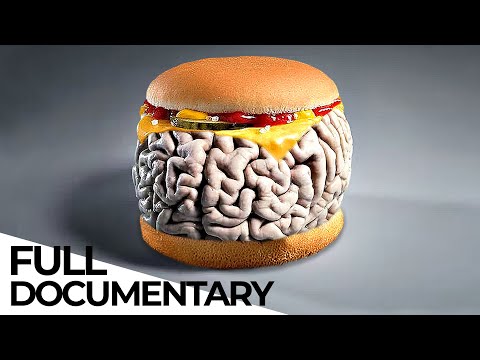
The documentary follows Simon as he investigates how diet and activity relate to obesity, type 2 diabetes, and mental health. After an AUT fitness assessment and genetic testing with Dr. William Ferguson, interviews and case studies explore diabetes complications, exercise, food cues, community nutrition initiatives, and research by Dr. Felice Jacka linking diet quality with depression and hippocampal size.
Key takeaways
- Simon’s AUT fitness assessment placed him in the fifth percentile, while Nigel Harris recommended resistance training and more everyday movement to support glucose control and insulin sensitivity.
- The documentary shows why diabetes can be dangerous before symptoms seem severe: patients describe blindness, dialysis, infections, and amputations after years of disease and poor blood-sugar control.
- Food cues such as smells, advertising, and displays can reinforce motivation to seek calorie-dense foods; reducing repeated exposure may weaken those cues over time.
- A South Auckland school reported calmer behavior after removing soft drinks in 2006, followed by gradual declines in student weight as healthier lunches became more common.
- In Kieran O’Dea’s six-week study of 14 Aboriginal participants, a traditional diet and active lifestyle were accompanied by an average 8 kg weight loss and blood glucose levels approaching normal.
- Dr. Felice Jacka reports both observational links between poor diet and depression and randomized-trial evidence that dietary improvement can reduce depression symptoms, with some participants reaching remission.
Chapters
0:00
AUT Fitness Testing and Simon’s Genetic Risk Profile
- An AUT treadmill test measures Simon’s oxygen use, breathing, heart rate, and blood pressure; fitness expert Nigel Harris places him in the fifth percentile for cardiovascular fitness.
- Dr. William Ferguson says Simon has poorly functioning leptin receptors, which may weaken fullness signals, and an AMY1 gene variant associated in his assessment with an 800% higher obesity risk on a high-carbohydrate diet.
- Ferguson also flags oxidative stress and advises Simon to avoid inactivity and excessive exercise, while balancing carbohydrate and fat intake.
7:30
Diabetes Complications: Blindness, Dialysis, and Amputation
- At Middlemore Hospital, Dr. Murray Cox introduces Simon Ho, who has lived with diabetes for over 20 years and has experienced near-total blindness, kidney failure requiring dialysis, and amputations of both legs.
- Brett describes how poor blood-sugar control preceded complications that could not be reversed, even after he became more disciplined.
- A patient with diabetes for 15 years connects a former diet of fast food, fish and chips, and pizza with the need to change eating habits; patients also describe the psychological burden of illness.
15:30
Resistance Training as a Tool for Type 2 Diabetes
- Nigel Harris recommends structured resistance training, short intense exercise bouts, and more incidental movement to reduce time spent sitting.
- Harris explains that muscle contractions support glucose control and insulin sensitivity, describing exercise as medicinal for type 2 diabetes.
- He notes that modern routines often replace movement with sitting—from driving and desk work to meals and television—and argues for regular muscle-strengthening activity.
19:00
Why Junk Food Cues Can Drive Overeating
- A hot dog illustrates how processed foods combine appealing sensory cues with ingredients such as mechanically separated meat, sugar, preservatives, and flavorings.
- A researcher explains that fat, sugar, salt, protein, and starch activate dopamine-related motivation and learning, helping the brain remember food’s appearance, smell, and taste.
- Food addiction remains clinically controversial, but the documentary describes addiction-like eating and recommends reducing exposure to tempting food advertising, smells, and other cues.
24:15
Pacific Communities Face an Unhealthy Food Environment
- A Pacific health researcher describes diets high in sugar, saturated fat, and salt, with takeaways and convenience stores supplying many energy-dense options.
- The interview reports that about 60% of Pacific people are overweight or obese, and about one in four have diabetes.
- The researcher links rising metabolic disease to dietary changes after migration and the growing availability of processed foods in New Zealand and Pacific Island nations.
27:10
School Food Changes and an Aboriginal Diet Study
- A South Auckland primary school introduced a water-only policy in 2006; principal Susan says classroom and playground behavior improved quickly after soft drinks were removed.
- The school encouraged healthier lunches, and staff observed a gradual decline in student weight over subsequent years.
- In a six-week study led by Kieran O’Dea, 14 Aboriginal participants ate traditional foods including seafood, kangaroo, yams, and honey; average weight fell by about 8 kg and blood glucose approached normal.
33:10
Simon’s Training Plan and Practical Food Guidance
- Simon begins high-intensity and complex-movement training with a personal trainer three times a week, following the exercise plan developed with Nigel Harris.
- Nutritionist Mickey Willin recommends quality protein, fiber at each meal, lean meat or fish, and vegetables making up at least half the plate.
- Willin favors unsaturated fats such as olive oil, avocado, and macadamia oil, and advises Simon to limit refined starches such as rice and pasta in favor of vegetables and modest portions of potato or kūmara.
37:35
Diet Quality, Depression, and a Healthier Restaurant Choice
- Dr. Felice Jacka summarizes studies associating diets high in processed foods with greater depression risk across countries, cultures, and age groups.
- Research discussed by Jacka found that older adults with poorer diets had smaller hippocampi; a randomized controlled trial of dietary improvement also found significant reductions in depression symptoms, with some participants entering remission.
- Simon applies the advice at an American diner by choosing a grilled-chicken salad with avocado instead of the available fried and heavily processed options.
Summary, takeaways, and chapters were generated by AI from the video's transcript and may contain errors. The video belongs to its creator, ENDEVR.