What is College For? - Purposes of College Education, Lecture 1
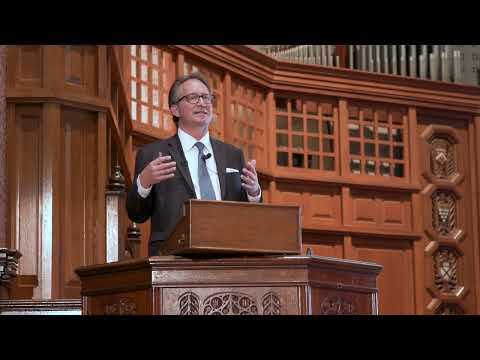 Watch on YouTube →
Overview
Pericles Lewis, Dean of Yale College, introduces the DeVane Lectures by exploring the multifaceted purposes of higher education, focusing on liberal arts education. He outlines the course structure, which will delve into character development, community, citizenship, and conversation, while also acknowledging the social and economic contexts of college. The lectures will heavily engage with Plato's Republic as a foundational text for understanding these purposes.
Key takeaways
- College education serves multiple purposes, including character development, fostering community, preparing for citizenship, and engaging in intellectual conversation.
- Plato's Republic is identified as a foundational text for understanding the philosophy of education and its enduring relevance.
- The concept of 'experiments in living,' inspired by John Stuart Mill, is facilitated by the college environment, allowing students to explore life choices.
- Modern challenges like social media permanence complicate the traditional process of learning from youthful mistakes.
- Rilke's poem 'Archaic Torso of Apollo' encapsulates the transformative potential of art and liberal education, urging individuals to change their lives.
- Dean Pericles Lewis emphasizes that a liberal education aims to equip students with the ability to decide for themselves which values will guide their actions.
Chapters
0:00
Introduction to the Purposes of College Education
- Dean Pericles Lewis welcomes attendees to the DeVane Lectures on the Purposes of College Education.
- The series will cover the purposes and contexts of college education, course structure, and conclude with Rilke's poem.
- Students are prompted to reflect on their reasons for attending Yale or other colleges.
10:01
Internal Purposes: Character Education
- The first two-thirds of the course will focus on intrinsic educational purposes, starting with character development.
- Debates on whether universities should foster moral development and the capacity of 18-25 year olds to be shaped.
- Psychological understanding of developing brains (18-25) supports the idea of neurological plasticity and reformability.
15:00
The Role of Mistakes and Community in Development
- Marcel Proust's quote highlights how youthful mistakes, though unpleasant, are crucial for becoming wise.
- Modern students face challenges with social media permanence of errors, unlike past generations.
- Community's positive aspects are acknowledged, alongside potential downsides like rigidity and exclusion.
20:04
John Stuart Mill and Experiments in Living
- John Stuart Mill's 'On Liberty' advocates for 'experiments of living' and varieties of character.
- The American college system, with residential living, offers a period to explore life choices before full adult responsibility.
- Challenges exist in undertaking 'experiments' due to a culture perhaps too afraid of mistakes.
26:45
Citizenship and the Role of Liberal Education
- Liberal education has historically been linked to preparing citizens, especially in the US.
- 18th-century New England's emphasis on literacy for reading the Bible evolved into a need for informed citizens.
- Hannah Arendt's concept of citizenship involves responsibilities, obligations, and rights, prompting questions about civic preparation in college.
30:41
Conversation as the Basis of Education
- Education is fundamentally based on conversation, exemplified by Plato's dialogues and face-to-face interaction.
- Yale's mission includes preserving, creating, and disseminating knowledge, extending frontiers through research and teaching.
- The rise of the research university model, particularly after WWII, expanded the university's role beyond undergraduate education.
35:53
Curriculum, Social, and Economic Contexts
- The curriculum is a negotiation between educational purposes, student/parent goals, and faculty ideas about knowledge.
- Later lectures will address social class, access to opportunity, cost of education, and career preparation.
- These economic and sociological considerations are often primary concerns for parents but will be bracketed for philosophical focus.
39:01
Course Structure, Plato's Republic, and Personal Background
- The course is taught during Yale College's 325th anniversary and amidst debates about declining trust in higher education.
- Plato's Republic is the main reading, emphasizing the importance of engaging with difficult texts.
- Pericles Lewis shares his background as a literary critic, former founding president of Yale-NUS College, and current Dean of Yale College.
Summary, takeaways, and chapters were generated by AI from the video's transcript and may contain errors. The video belongs to its creator, YaleCourses.