Think Fast, Talk Smart: Communication Techniques
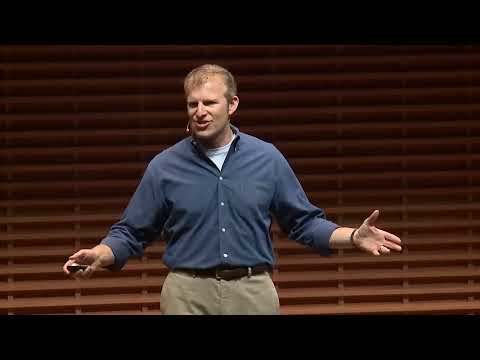 Watch on YouTube →
Overview
Matt Abrahams argues that effective spontaneous speaking depends on managing anxiety and following four practical steps: get out of your own way, treat the interaction as an opportunity, listen carefully, and respond with structure. Through improv-inspired exercises and frameworks such as problem–solution–benefit and what–so what–now what, he shows how to respond more confidently in cold calls, Q&A, introductions, and other unscripted situations.
Key takeaways
- Public-speaking anxiety is better managed than eliminated: acknowledge physical symptoms without judgment, reframe the situation as a conversation, and use present-focused activities such as tongue twisters.
- Perfectionism can block spontaneous responses; the “Shout the Wrong Name” exercise trains speakers to notice and release the brain’s tendency to stockpile answers or impose patterns.
- Treating an unexpected speaking request as an opportunity rather than a threat encourages open, flexible responses, reflected in the improv principle “yes, and.”
- Listening requires pausing long enough to understand the actual request; paraphrasing both checks comprehension and creates time to formulate a response.
- Problem–solution–benefit and what–so what–now what give speakers ready-made organization for persuasive answers, explanations, and introductions.
- Remote and cross-cultural communication requires active audience engagement and attention to local expectations, including tools such as polling and shared Google Docs.
Chapters
0:00
The Six-F Challenge and Why Spontaneous Speaking Matters
- An exercise counting the letter f reveals how easily people overlook details even when paying close attention.
- Abrahams uses the exercise to introduce his core point: small changes in approach, attitude, and practice can improve spontaneous speaking.
- Unplanned speaking includes cold calls, introductions, feedback, surprise toasts, and audience Q&A.
4:00
Manage Public-Speaking Anxiety Rather Than Trying to Eliminate It
- Abrahams cites 85% of people as reporting nervousness when speaking publicly and frames anxiety as normal and potentially useful energy.
- A communicator’s job is to help an audience feel comfortable enough to receive a message, even when the message is difficult.
- Mindful attention can interrupt an anxiety spiral: notice the symptoms and acknowledge, without judgment, that you feel nervous.
8:00
Use Conversation and Present-Moment Focus to Reduce Nerves
- Reframe speaking as a conversation rather than a performance; there is no single perfect way to present.
- Use questions, inclusive pronouns, and conversational language instead of distant phrasing such as “one must consider.”
- Bring attention into the present with a walk, music, counting backward by 17, or a tongue twister that also warms up the voice.
15:00
Get Out of Your Own Way with the Improv Game “Shout the Wrong Name”
- Abrahams introduces four steps for spontaneous speaking and begins with reducing perfectionism and overthinking.
- In “Shout the Wrong Name,” participants point at nearby objects and call them anything except their real names.
- Stockpiling answers and switching to patterns show how the brain tries to optimize even a task with no wrong answer; acknowledging those impulses helps participants practice responding spontaneously.
23:00
Reframe Speaking as an Opportunity with Imaginary Gifts
- “Dare to be dull” counters the pressure to produce a brilliant answer, which can trigger overanalysis and freezing.
- In the imaginary-gift exercise, one partner names an unexpected gift and the other explains why they chose it.
- Treating an unexpected request as an opportunity rather than a threat encourages more flexible, less defensive responses.
33:00
Say “Yes, And” and Listen Before You Respond
- The improv principle “yes, and” describes an open, constructive approach to an interaction, not automatic agreement with every claim.
- In a spelling conversation, partners spell what they plan to do for fun, forcing them to focus on the other person instead of planning their reply.
- Abrahams’s maxim “Don’t just do something, stand there” emphasizes pausing, listening, and understanding the request before answering.
38:30
Structure Spontaneous Answers with Two Reusable Frameworks
- Abrahams says structured information is processed about 40% more effectively and efficiently than unstructured information.
- Problem–solution–benefit lays out an issue, a response, and the value of acting; an opportunity can replace the problem when appropriate.
- What–so what–now what explains what something is, why it matters, and what happens next; it also adapts to introductions by using who–why–what next.
43:00
Practice Persuasive Structures by Selling a Slinky
- Participants practice selling a slinky to a partner using either problem–solution–benefit or what–so what–now what.
- A prepared structure reduces the cognitive load of deciding both what to say and how to organize it.
- Abrahams describes structure as freeing the speaker to focus on the substance of the response.
46:00
Review the Four Steps and Find More Communication Resources
- The four steps are to get out of your own way, see interactions as opportunities, listen first, and use a structure.
- Abrahams recommends practicing in everyday settings, including answering his children’s questions with what–so what–now what.
- He points listeners to his book, “Speaking Up Without Freaking Out,” and the website NoFreakingSpeaking.com.
48:00
Handle Hostile Questions by Acknowledging and Reframing
- For a hostile challenge, acknowledge the concern without insisting on labeling the other person’s emotional state.
- When someone calls a product overpriced, Abrahams suggests recognizing the concern, reframing the question around value, and explaining the value proposition.
- For remote audiences, use polling, shared documents such as Google Docs, imagined scenarios, and regular engagement breaks.
52:00
Apply Paraphrasing, Cultural Awareness, and Careful Humor
- For hostile cross-examination, prepare themes and supporting examples rather than memorized wording; paraphrasing buys time and clarifies the question.
- When speaking across cultures, consider audience expectations and participation norms, as Abrahams did while teaching people in Santiago, Chile.
- Humor can build connection but carries risk; test jokes, prepare a backup, and favor self-deprecating humor.
- To elicit more authentic answers, journalists can ask “why” and invite people to give advice.
Summary, takeaways, and chapters were generated by AI from the video's transcript and may contain errors. The video belongs to its creator, Stanford Graduate School of Business.