The Iran War Looks Very Different from Europe
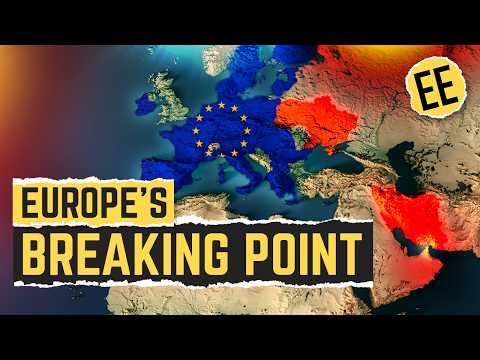 Watch on YouTube →
Overview
Economics Explained highlights Europe's significant economic exposure to the Iran conflict, despite its political distance, due to its high energy import dependency and industrial base. The disruption of shipping routes like the Suez Canal and increased global oil prices disproportionately impact Europe's energy-intensive manufacturing sector, which is already struggling with competition from China and trade uncertainties with the US.
Key takeaways
- Europe's 57% energy import dependency makes it highly susceptible to global energy market disruptions, unlike the US (17% import reliance).
- Disruptions to the Strait of Hormuz and Suez Canal significantly increase global oil prices, impacting Europe's energy-intensive manufacturing sector.
- European manufacturers face increased costs from higher energy prices and shipping, making them less competitive against Chinese rivals.
- Trade uncertainty with the US, including tariffs, adds another layer of economic pressure on European businesses reliant on exports.
- Europe's economy is already sluggish, with GDP growth around half that of the US, limiting its capacity to absorb new shocks.
- While renewable energy is a long-term solution, it does not immediately address the need for natural gas and oil in heavy industry.
Chapters
0:00
Europe's Political Distance vs. Economic Exposure
- Europe has largely abstained from direct military involvement in the Iran-Israel-US conflict.
- Despite political neutrality, Europe is more economically exposed than the US due to energy import reliance.
- Disruptions to the Suez Canal and rising oil prices threaten Europe's industrial output and trade with Asia.
Summary, takeaways, and chapters were generated by AI from the video's transcript and may contain errors. The video belongs to its creator, Economics Explained.