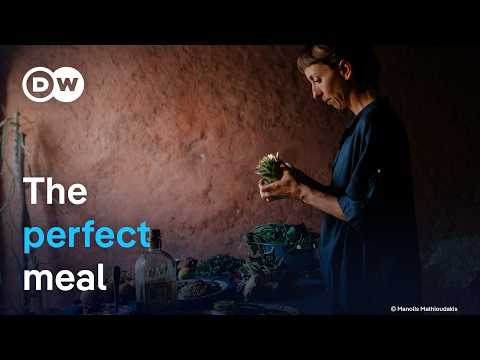
Mediterranean cuisine - The recipe for a long and healthy life? | DW Documentary
 Watch on YouTube →
Overview
Research on the Mediterranean diet links a pattern rich in vegetables, fruit, whole grains, legumes, olive oil, nuts, and fish with lower cardiovascular risk and associations with reduced cancer and cognitive decline. Findings range from Ancel Keys’s postwar observations in Crete to the 7,500-person PREDIMED trial, large studies including EPIC and NutriNet-Santé, and research on inflammation, brain biomarkers, and white-matter imaging.
Key takeaways
- In PREDIMED, about 7,500 people at elevated cardiovascular risk followed Mediterranean-diet or low-fat advice; the Mediterranean groups had a reported 30% reduction in major cardiovascular events.
- The Mediterranean diet is a whole eating pattern, not simply a regional cuisine: its traditional form emphasizes plant foods and olive oil while limiting meat, sugar, and processed foods.
- Large observational studies, including EPIC and NutriNet-Santé, associate fruit and vegetable intake with lower risk of several cancers and red or processed meat with higher colorectal-cancer risk.
- A three-month dietary intervention for people prone to intestinal polyps removed sugar, processed red meat, and refined flour while testing whether a plant-rich, anti-inflammatory pattern could affect tumor growth.
- Dementia studies associate stronger Mediterranean-diet adherence with less cognitive decline; low blood levels of carotenoids and omega-3s were associated with three times the likelihood of Alzheimer’s disease.
- A practical plate described as “gastro-healthy” consists of roughly half fruit and vegetables, alongside whole grains and plant protein such as chickpeas.
Chapters
0:00
Crete’s Traditional Diet Meets a Modern Childhood Obesity Problem
- Crete is associated with the Mediterranean diet, but children there increasingly eat packaged snacks, sweets, and sodas.
- Reported obesity rates in Greece reach 20% among children ages 4–6, 38% at age 10, and 40% at age 12.
- Clinicians in Crete describe growing pressure from heart disease and type 2 diabetes as Western-style eating displaces traditional foods.
4:40
Ancel Keys Finds a Low-Meat, Olive-Oil-Based Diet in Postwar Crete
- Physiologist Ancel Keys studied men ages 45–65 in Italy and Crete as part of research into diet and health.
- Postwar Cretan meals relied on locally grown plants, fruit, vegetables, grains, and olive oil, with little meat and no sugar.
- Cretan men had a reported 90% lower likelihood of death from heart attack than American men in the comparison described.
- The 1960s daily-food profile included 453 g of whole-grain bread and cereals, 90 g of olive oil, and 35 g of meat.
8:20
PREDIMED Tests Olive Oil and Nuts Against a Low-Fat Diet
- Researchers in Spain developed PREDIMED after finding a strong association between olive oil consumption and protection from heart attack.
- The trial enrolled about 7,500 people at high cardiovascular risk, including people with hypertension, diabetes, high cholesterol, or obesity.
- Two groups followed a Mediterranean pattern supplemented with free extra-virgin olive oil or nuts; a control group received low-fat-diet advice.
- The trial reported a 30% reduction in heart attack, stroke, or cardiovascular death in the Mediterranean-diet groups and stopped early at 4.8 years.
15:50
Dietary Fats and Large-Scale Studies Connect Food With Disease Risk
- The research distinguishes saturated fats, common in red meat and dairy, from unsaturated fats in olive oil, nuts, and fish.
- The transcript reports that a 2% increase in energy from trans fats is associated with 23% higher heart-disease risk, while olive-oil-rich unsaturated fats are linked to lower cardiovascular risk.
- Walter Willett’s Nurses’ Health Study began collecting long-term diet data from about 100,000 US nurses in 1980.
- The EPIC study followed more than half a million people across 10 countries, while France’s NutriNet-Santé tracks detailed diets of over 170,000 adults; findings link Mediterranean-style eating with lower risk of some cancers.
22:55
A Mediterranean-Style Intervention Targets Inflammation and Polyps
- A pilot clinical intervention recruited people with a genetic mutation that causes intestinal polyps with a very high likelihood of becoming cancerous.
- For three months, participants ate Mediterranean-style meals at least twice weekly and received recipes, cooking classes, and nutritionist guidance.
- The intervention removed sugar, processed red meat, and refined flour while emphasizing plant-derived fats such as sesame.
- Researchers examined tumor growth and inflammation; the dietary rationale is that chronic inflammation can damage healthy cells, while varied plant foods provide anti-inflammatory phytochemicals.
29:25
Dementia Research Tracks Diet Before Cognitive Symptoms Progress
- The ALBION study recruits people concerned about cognitive health to investigate how diet and lifestyle relate to future dementia risk.
- Researchers assess adherence to the Mediterranean pattern through detailed food interviews and a diet score.
- Epidemiological findings described in the transcript associate greater Mediterranean-diet adherence with fewer cognitive problems and less age-related cognitive decline.
- A Bordeaux research program studies brain aging over 10–20 years and uses biobanking and biomarkers, including hair samples that can reflect nutrient or pesticide exposure.
35:20
Omega-3s and Fruit Nutrients Are Linked to Preserved Brain Structure
- Researchers found that people with Alzheimer’s disease often had dietary patterns centered on red and processed meat.
- Low circulating levels of carotenoids and long-chain omega-3 fatty acids were associated with three times the likelihood of developing Alzheimer’s disease.
- Structural neuroimaging linked greater Mediterranean-diet adherence with better preservation of white-matter fibers connecting brain regions.
- Daily fruit and vegetable consumption was associated with 30% lower dementia risk, while higher blood omega-3 levels—especially from fatty fish—were associated with 36% lower risk.
39:50
The Mediterranean “Perfect Meal” Combines Plants, Whole Grains, and Shared Eating
- Culinary medicine defines a “gastro-healthy” plate with about 50% fruit and vegetables.
- Whole-grain cereals provide carbohydrates and fiber, while chickpeas and other legumes supply plant protein.
- The meal reflects a broader Mediterranean lifestyle that includes family gatherings, gratitude, interaction, and sharing.
Summary, takeaways, and chapters were generated by AI from the video's transcript and may contain errors. The video belongs to its creator, DW Documentary.