How to Read a Medical Study Without a Science Degree | Understanding Medical Research
 Watch on YouTube →
Overview
F. Perry Wilson, a physician and clinical researcher, introduces a course designed to demystify medical research studies for individuals without a science background. The course aims to equip learners with the ability to critically evaluate primary research sources, understand statistical results without performing complex math, and discern the true significance and applicability of medical findings, combating misinformation and hype.
Key takeaways
- F. Perry Wilson's course aims to empower individuals to critically analyze medical research by translating jargon and statistical results.
- The course promises to teach scientific intuition, helping learners identify credible studies and avoid hype.
- Learners will gain the ability to assess the significance and personal applicability of medical study findings.
- The course structure includes real-world examples and utilizes the Coursera platform with dedicated resources for research papers and discussion forums.
- A key outcome is becoming a more critical consumer of medical information, capable of discerning truth from misinformation.
- The course emphasizes understanding the *results* of statistical tests rather than performing the tests themselves.
Chapters
0:00
Introduction to 'Your Facebook Friend is Wrong' Course
- F. Perry Wilson, a nephrologist and clinical researcher, introduces the course.
- Goals include understanding medical research and identifying who should take the course.
- The course aims to provide a 'superpower' to understand medical studies.
- Wilson expresses disdain for hype and misleading medical claims.
3:14
Why Reading Medical Studies is Difficult and Who Should Learn
- Medical studies are dense, filled with jargon, statistics, and complex methods.
- The course enables direct access to primary sources, bypassing media filters.
- Target audience includes students, journalists, patients, and anyone interested in science or statistics.
- The course aims to reduce fear of science and statistics for some learners.
6:31
Course Structure, Promises, and Coursera Platform
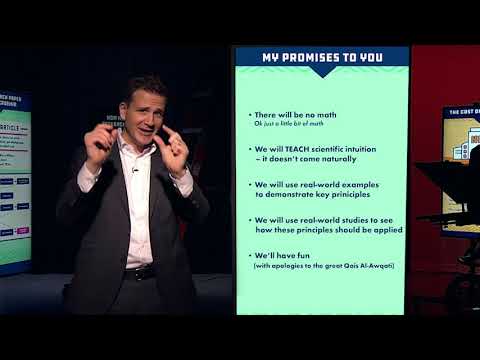
- Promises include no complex math (focus on understanding results), developing scientific intuition, using real-world examples, and having fun.
- Lectures will follow a structure: goals, anecdote/intuition, real-world examples, and take-home points.
- The course is hosted on Coursera, with approximately six modules expected to take six weeks.
- A 'Research Studies' tab provides access to all discussed studies, and forums facilitate discussion and Q&A.
Summary, takeaways, and chapters were generated by AI from the video's transcript and may contain errors. The video belongs to its creator, YaleCourses.