How Has Nepal Been Going?
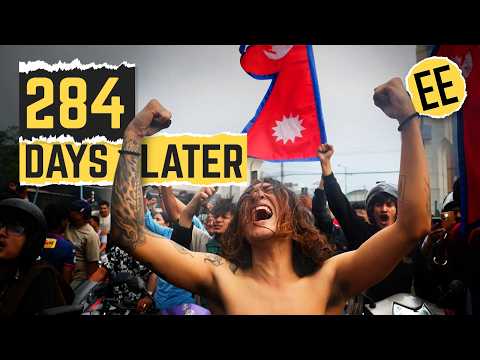 Watch on YouTube →
Overview
Nine months after a youth-led uprising in Nepal, the country faces the monumental task of rebuilding its institutions and economy, which were severely impacted by corruption and political instability. Despite initial successes like the prime minister's resignation and the appointment of an interim leader, Nepal grapples with high unemployment (21% for youth), low investor confidence, and a history of economic hardship exacerbated by geography and political volatility. The nation is set to graduate from Least Developed Country status in 2026, presenting both an accomplishment and a significant economic challenge due to the loss of preferential trade and aid.
Key takeaways
- Nepal's youth-led uprising, fueled by corruption and poor economic prospects (21% youth unemployment), led to significant political change but incurred substantial economic costs ($586 million).
- The nation's transition from Least Developed Country status in 2026 poses a major economic challenge, potentially costing over $1 billion in GDP and 130,000 jobs due to loss of preferential trade and aid.
- Despite geographical disadvantages (Himalayas, landlocked), Nepal is leveraging its vast hydroelectric potential, aiming to become a major clean energy exporter and shift its economy away from imported fuels.
- Corruption remains a critical issue, with scandals like the Pokhara Airport overpricing and the fake refugee scheme highlighting systemic problems that erode public trust and deter foreign investment.
- Remittances from over 7% of the population working abroad are crucial, accounting for over 26% of Nepal's GDP, underscoring the lack of domestic job opportunities.
- The successful transition to a new, young government led by PM Rabi Lamichhane, following free and fair elections, offers a renewed sense of hope for reform and accountability.
Chapters
- Youth-led uprising in Nepal aimed to hold corrupt leaders accountable and restore freedoms.
- Initial success: Prime Minister stepped down, interim leader appointed for fair elections.
- Military remained neutral, siding with protesters.
- Post-revolution challenges: rebuilding institutions, systems, and trust, alongside physical damage.
- Economic indicators: high unemployment, low job creation, non-existent investor confidence.
Summary, takeaways, and chapters were generated by AI from the video's transcript and may contain errors. The video belongs to its creator, Economics Explained.